Top 10 Action-Packed Revisionist Westerns
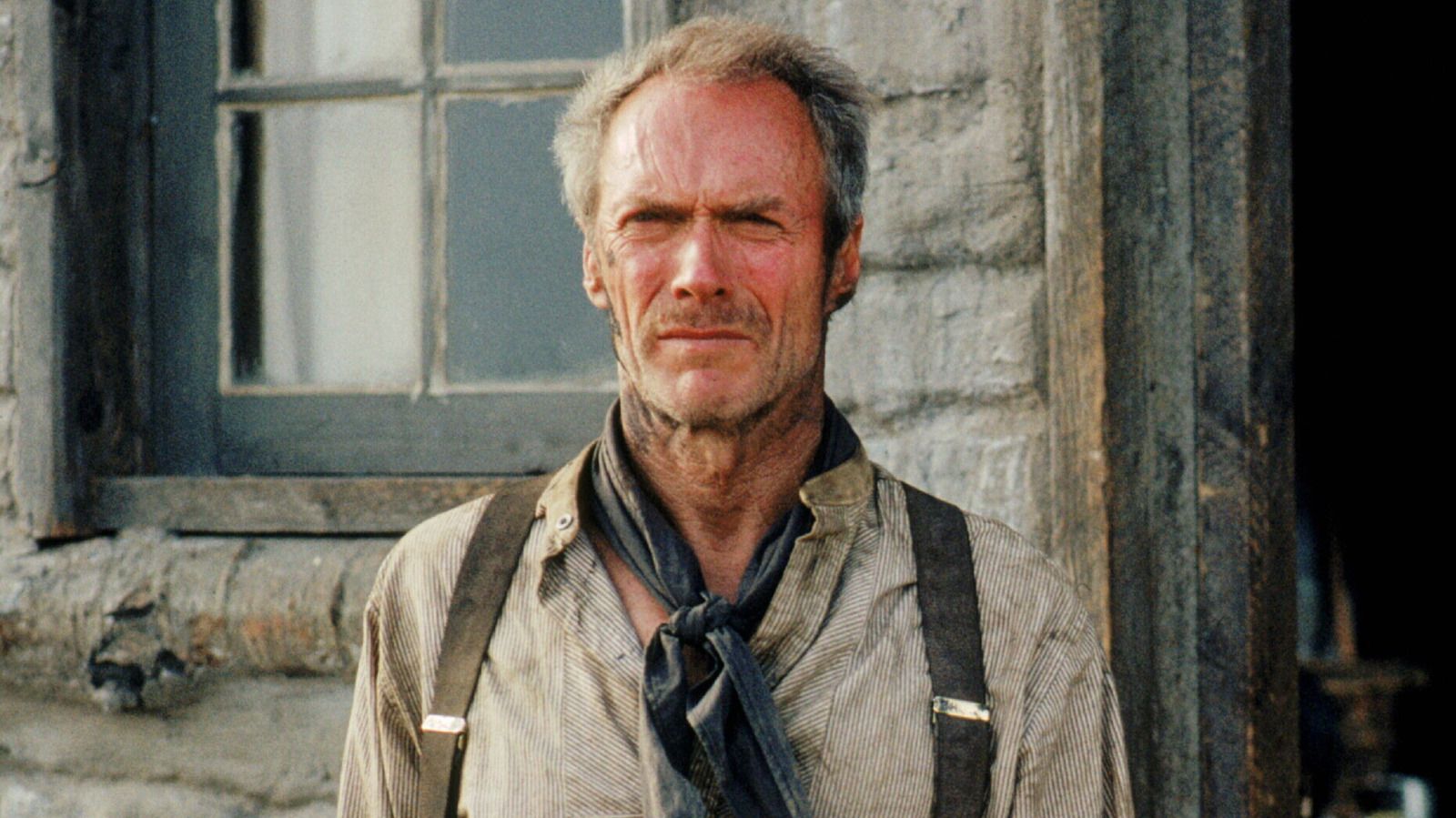
The Wild West Reimagined: How Revisionist Westerns Rewrote Hollywood History
The Western genre has long occupied a sacred space in the landscape of Hollywood cinema. For decades, the iconic imagery of dusty trails, rugged individualism, and frontier morality served as a familiar pillar for audiences worldwide. Yet, as the genre evolved, a subtle but profound shift occurred, marked by the emergence of revisionist Westerns that dared to look back at the myths they portrayed and redefine them entirely.
These films were not merely retellings; they were deliberate acts of subversion. Instead of adhering strictly to the classic, heroic narratives of the Old West, these new cinematic explorations peeled back the idealized veneer, introducing complexities, moral ambiguities, and a far more nuanced understanding of the characters and the environment.
The shift was fascinating because it allowed filmmakers to examine the foundational myths of the genre—the notions of justice, civilization versus savagery, and the nature of the frontier—and question their inherent assumptions. By challenging the established tropes, these films invited audiences to engage with the historical and psychological undercurrents of the era, moving the genre from simple spectacle to sophisticated storytelling.
Revisionist Westerns tackled the uncomfortable truths hidden beneath the gleaming surface of the frontier. They explored the devastating consequences of the conflicts depicted on screen, showing the human cost of the violence and the systemic inequalities that underpinned the mythology of the gunfighter and the lone hero.
This movement demonstrated that the Western narrative was not static. It proved that the story of the West was infinitely malleable, capable of adapting to contemporary social and historical critiques. Filmmakers used the vast, evocative setting of the frontier not just as a backdrop for action, but as a lens through which to examine broader themes of power, betrayal, and the often brutal realities of history.
The impact of these cinematic experiments extended far beyond the genre itself. They influenced how subsequent narratives approached historical themes, demonstrating the power of reinterpretation. They reminded the industry that powerful storytelling lies in challenging accepted truths, not just confirming them.
By taking these revisionist steps, these films successfully redefined what a Western could be. They ensured that the genre remained vibrant and relevant, allowing it to continue evolving as a powerful vehicle for complex human drama and critical commentary. The result was a Western cinema that was not just nostalgic, but deeply reflective and continually unfolding.
Buy on Amazon
Credit
