Trump calls UK BBC plan “extraterritorial censorship”
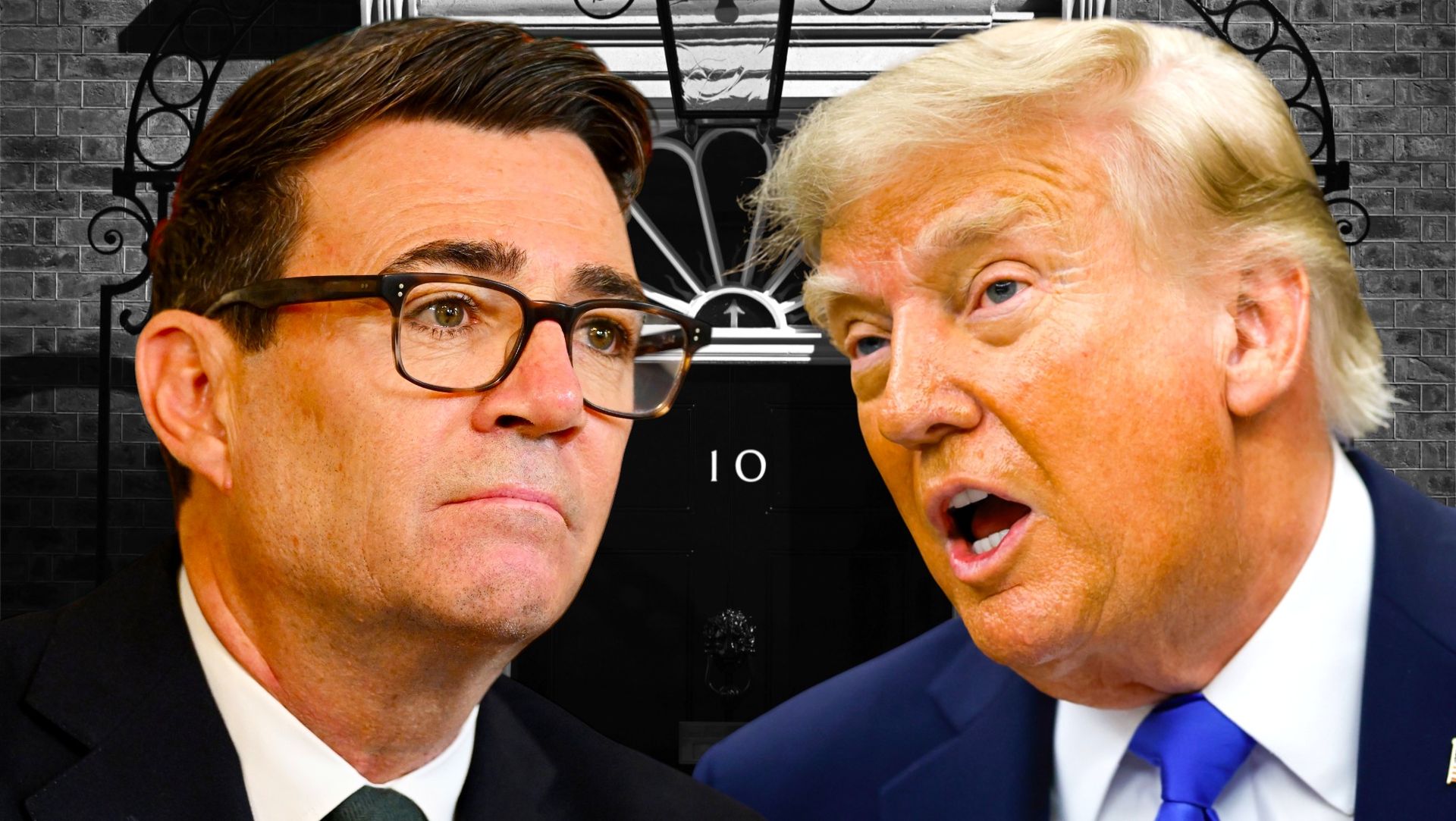
The digital realm is increasingly becoming a battleground for international policy, especially where national interests intersect with global technology platforms. A recent dispute has brought into sharp focus the friction between the United States and the United Kingdom over how global video platforms should manage content promotion and algorithmic control.
The core of the disagreement centers on plans initiated by the UK government to compel major online video giants, such as YouTube, to prioritize and promote content from public service media outlets, including the BBC.
This initiative, though framed by the UK as a move toward cultural promotion, immediately drew the attention of the US government. In response to Britain’s consultation on these proposals, the US administration registered strong opposition.
The US government argued that these plans represented an unacceptable form of state meddling within the proprietary algorithms governing American companies. The concern was that imposing external mandates on how these platforms distribute content fundamentally infringed upon the autonomy of American digital companies.
The debate highlights a larger tension: the struggle over who controls the digital infrastructure and the content flow that shapes public discourse online. As technology platforms operate globally, the lines between national regulatory interests and corporate freedom become increasingly blurred, setting a precedent for how future international digital policies will be negotiated.
Credit
