Trump demands ABC NBC lose broadcast licenses
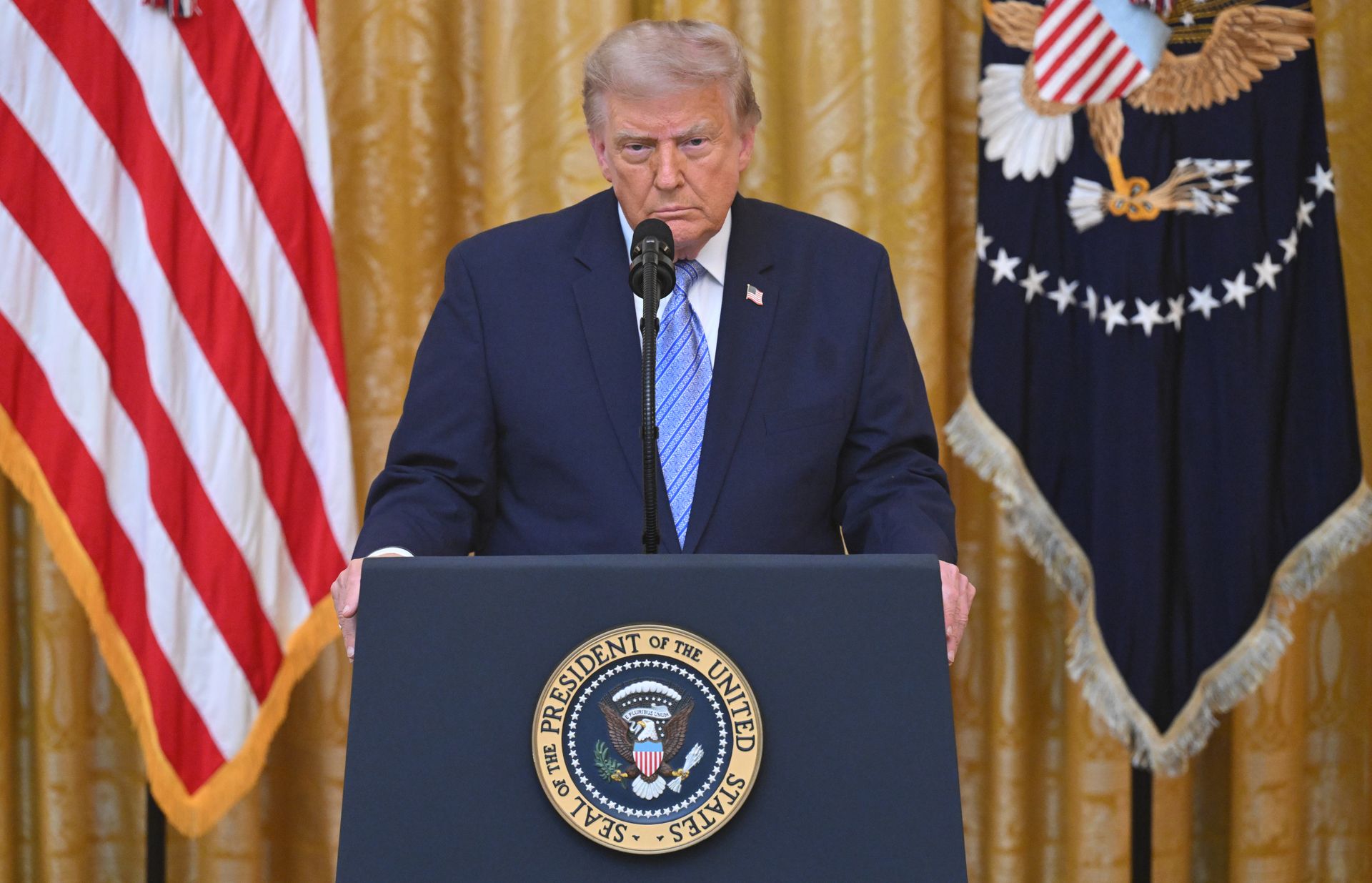
When a major public figure chooses to address the nation, the platforms chosen for broadcast become subjects of immediate scrutiny. In a recent display of frustration, Donald Trump directed his ire toward ABC and NBC, two major networks that opted not to carry his extensive 25-minute speech live on their broadcast platforms.
This public critique was not merely about the scheduling decision; it centered instead on the content of the remarks delivered. The speech contained a series of provocative claims that touched upon deeply sensitive geopolitical and domestic issues, positioning the networks as complicit in withholding critical information from the public.
Among the most striking assertions made were allegations concerning foreign intelligence operations. Trump claimed that China was actively obtaining voter registration data, suggesting a level of data manipulation that warranted immediate public awareness and investigation.
Equally contentious was the assertion regarding the domestic establishment. He leveled accusations against what he termed the “deep state,” claiming this entity was deliberately withholding crucial intelligence from him, thereby insulating him from the full truth of his situation.
These statements, delivered with forceful conviction, immediately drew attention to the tension between political rhetoric and verifiable evidence. While the claims resonated strongly within certain segments of the public discourse, they were met by skepticism regarding their factual basis.
The core conflict highlighted by this exchange was the gap between powerful, unproven assertions and the rigorous standard of evidence required in journalism and public commentary. The situation underscored a persistent debate about the role of media in disseminating information, especially when dealing with sensitive national security matters.
Credit