Venice snub and WWII trauma: Director May el-Toukhy on cinema’s structural flaws
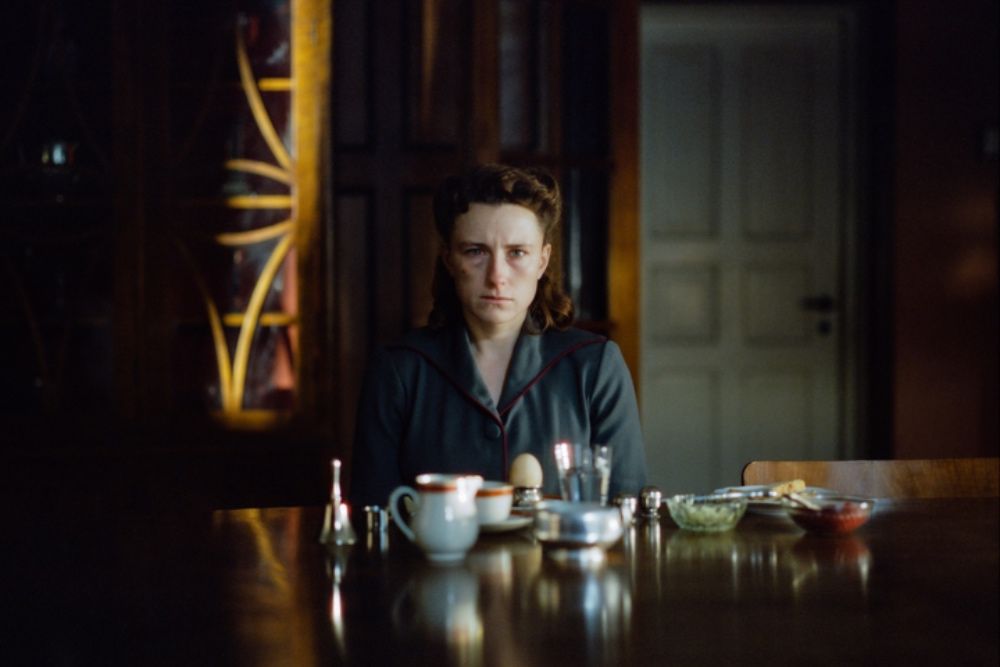
In the shadow of history, some stories remain untold, yet some truths demand to be excavated. May el-Toukhy’s work, Woman Unknown, dives deep into the complex and often overlooked experiences of women implicated in relationships with German soldiers during World War II.
This exploration moves beyond traditional narratives of war to examine the profound shift in identity that occurred both during and after the conflict. As the investigation unfolds, the focus shifts from the battlefield to the domestic and social spheres, revealing how the female body became intricately woven into the fabric of national identity.
The concept of a ‘horizontal collaborator’ was introduced as a way to frame these complex relationships. This perspective challenges simplistic, binary views of wartime morality and re-examines the roles women played in shaping the socio-political landscape.
The research demonstrates that the experience of these women was not merely personal; it was a powerful reflection of broader cultural and political dynamics. The female body, in this context, ceased to be an isolated entity and transformed into a key component of collective national memory and identity.
However, the dynamic of this national formation was not uniform across all nations. While the trajectory of how these relationships were perceived and integrated varied widely, the specific context of Denmark offers a compelling counterpoint to the broader European narrative.
The analysis highlights the crucial difference: while the female experience was deeply embedded in the construction of identity elsewhere, the specific implementation and social acceptance of these roles in Denmark presents a unique, often quieter, chapter in this immense historical story.
El-Toukhy’s work ultimately serves as a necessary reminder that history is not written by the victors alone, but by the myriad experiences of those who lived through it. It insists that to fully understand the war and its aftermath, we must listen to the voices of all participants, especially those whose lives were profoundly reshaped by historical forces.
Buy on Amazon
Credit
