
Why Barbie 2 Never Gets Made And Why That’s Good
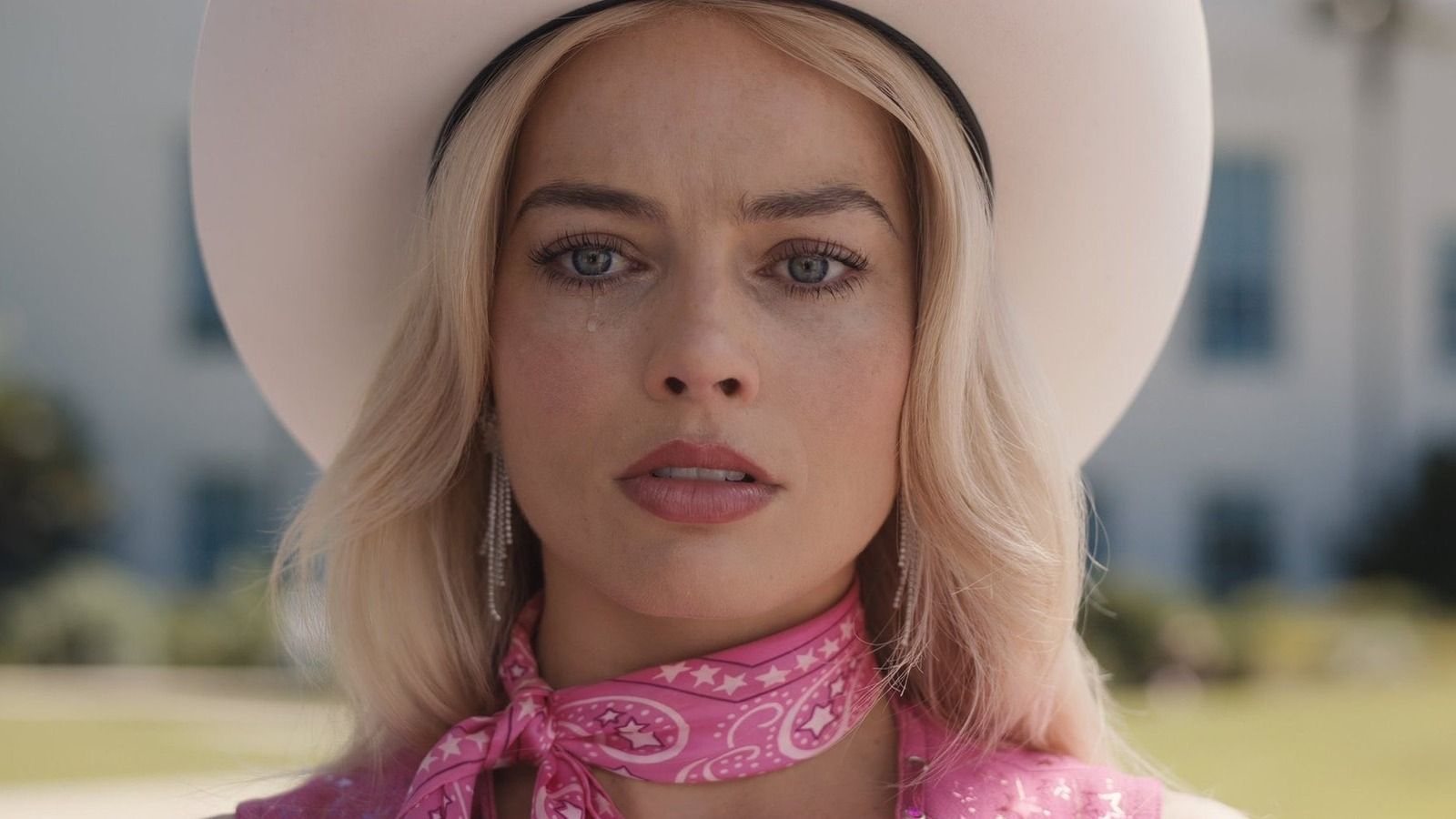
The Silent Pink: Why the Barbie Sequel Might Be Better Left Unmade
In the whirlwind of pop culture, where sequels are often treated as sacred obligations and inevitable next steps, there exists a compelling question hanging over one of cinema’s most beloved franchises: what if the story ends right where it is? The possibility that Greta Gerwig and Margot Robbie’s vision for Barbie 2 will never materialize sparks a fascinating debate—would the absence of a sequel be a creative failure, or perhaps, a brilliant stroke of narrative freedom?
For years, the anticipation surrounding the next chapter in the Barbie universe has been deafening. Fans dream of expanded worlds, deeper character arcs, and new adventures for the iconic doll. Yet, as we watch the current cinematic landscape evolve, it becomes tempting to consider that sometimes, silence is the loudest statement.
The argument for letting the story rest lies in recognizing the immense power and completeness of the original vision. The first film was not merely a box office success; it was a cultural phenomenon, a deep dive into feminism, existential angst, and the complexities of identity. It explored themes so profound that trying to shoehorn them into a second installment risks diluting that initial, potent impact.
When a story reaches its peak emotional resonance, continuing it often requires navigating pitfalls. A sequel can struggle with pacing, character repetition, and the pressure to justify its own existence. By choosing not to continue, filmmakers retain control over the narrative’s final breath, allowing the audience to savor the original masterpiece in its purest form.
Instead of forcing a continuation that might feel reductive, there is the opportunity to treat the original film as a fully realized, standalone epic. This approach elevates the source material from a franchise trajectory to a singular, definitive cultural moment. The sheer impact of Barbie already provided an entire universe; why complicate it?
This choice isn’t about abandoning the characters or the world; it’s about honoring the magic that was created. It posits that some stories are perfect precisely because they are complete, and that true artistry lies in recognizing when a story has reached its natural conclusion.
Perhaps the most exciting possibility is that leaving Barbie 2 unmade frees up creative energy for entirely new worlds. It allows the imaginations of artists to wander into unexplored territories, ensuring that the spirit of Barbie—bold, complex, and endlessly adaptable—continues to inspire fresh storytelling across all mediums.
Buy on Amazon
Credit