Wolverine criticised for mental health themes
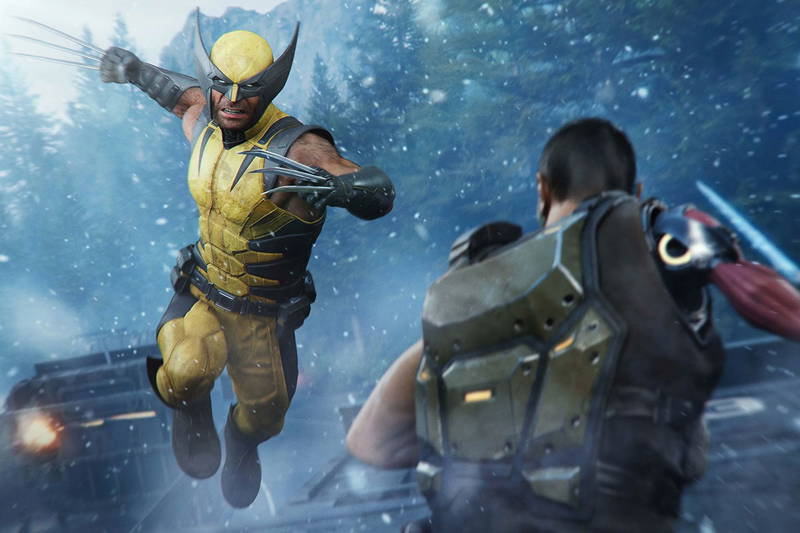
The world of gaming is currently buzzing with more than just anticipation for new releases; it’s swirling with intense debate about what defines modern storytelling and character development. From big-budget titles to indie gems, the discourse often touches on sensitive topics, leading to a level of public scrutiny that is hard to ignore.
This tension is especially palpable around the upcoming release of Insomniac Games’ Marvel’s Wolverine, which is currently facing a multi-faceted discussion that stretches far beyond mere gameplay mechanics. From the initial trailers, critics and players have zeroed in on several contentious points. There are ongoing conversations about the character designs, with some questioning the portrayal of Mystique and Sentinel, and debates over the narrative structure, with some finding the shift to a more linear story stale.
Adding another layer to the controversy is the broader conversation surrounding the developers themselves. Accusations have surfaced, including branding the studio as a DEI studio, and more pointed critiques that the creative team seems to be emasculating the iconic Wolverine. These discussions, coupled with the general shift in game design, have fueled a significant amount of online furore.
Amidst the noise, a unique aspect of the game has dominated much of the conversation: it represents the first major PlayStation exclusive since Sony moved away from physical media for games. This fact alone has drawn intense focus, with discussions about discs and physical ownership dominating responses across various platforms.
More recently, the studio released a new piece of gameplay, a post that immediately ignited further discussion. This segment involves using Logan’s unique sense to discover Nightmare Doors and navigate challenging traversal, combat, and gauntlet challenges in order to uncover his forgotten memories.
This move, intended to delve into deeper thematic territory, immediately drew mixed reactions. While some praised the ambition of tackling mental health themes, others expressed skepticism, suggesting that focusing on such themes might detract from the core experience of a character-driven action game. The debate highlighted a fundamental divide: whether deep emotional exploration is essential to a character’s journey or if pure action is the most effective way to convey struggle.
The discourse surrounding Marvel’s Wolverine continues to trend across multiple platforms as pre-loading begins today, setting the stage for a game that is clearly poised to generate as much discussion about its themes as it does about its action.
Buy on Amazon
Credit