
Barbie Team Gets Massive Paydays
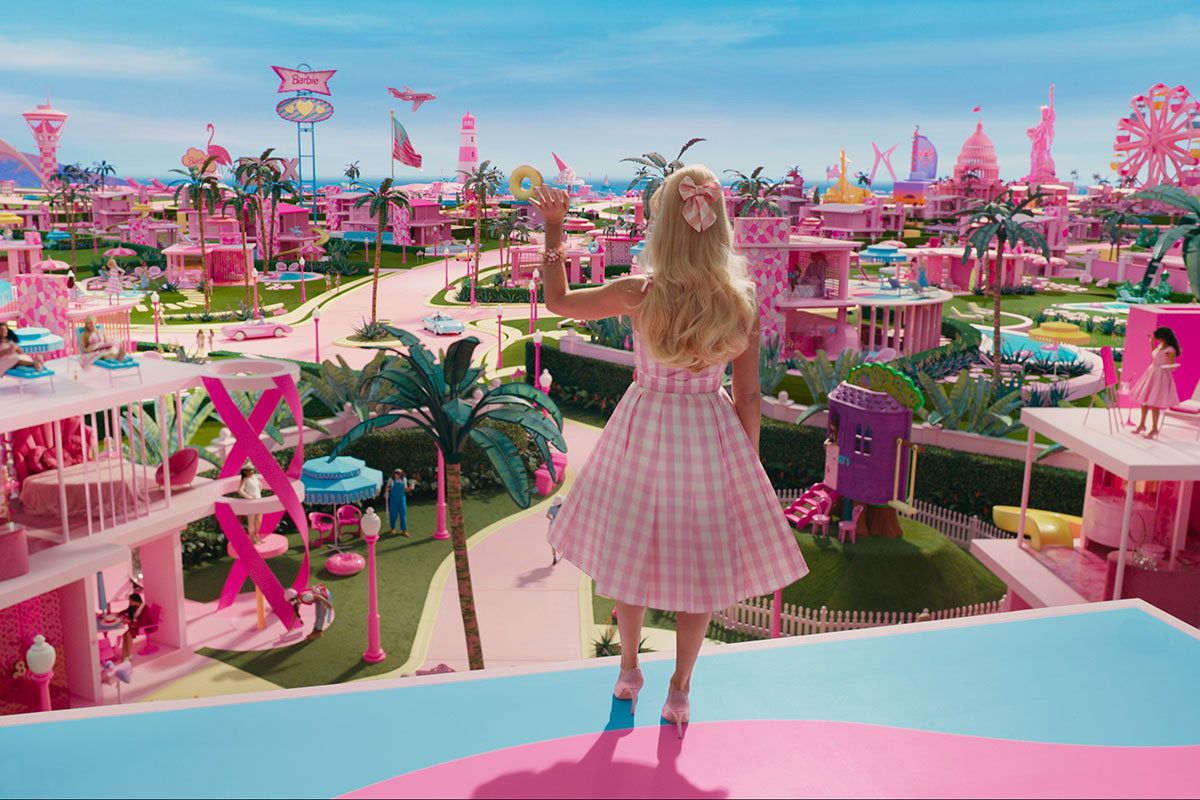
The shimmering world of doll-themed cinema has hit a major creative impasse, leaving the future of the Barbie franchise hanging in the balance. Two weeks ago, the stakes were crystal clear: Warner Bros. Pictures needed to lock down a deal with writer/director Greta Gerwig, actress/producer Margot Robbie, actor Ryan Gosling, and co-writer Noah Baumbach before December to secure a sequel.
The pressure is immense because if this talented creative team cannot align with the studio by the deadline, Mattel would be forced to exit Warner Bros. and effectively reboot the entire intellectual property from scratch—without any of the beloved story elements or talent from the original film allowed to remain.
Behind the scenes, the negotiations have been less a smooth collaboration and more a financial rollercoaster. Sources indicate that the studio has put forward more than six offers over the last three years, all of which have been politely—or perhaps firmly—rejected. These proposals were reportedly the highest Warner Bros. had ever offered for such an elite filmmaking team and their stars, dubbed “life-changing money.”
While the overall financial package set a high benchmark, individual compensation did not seem to break any records. The process involved complex discussions regarding upfront fees and generous back-end participation, though the first dollar gross was off the table. Representatives like CAA, who represent the four key creative figures, have not countered the latest offer.
The numbers were staggering. One pay offer reportedly pegged Ryan Gosling‘s ask at $20 million, while Margot Robbie—who earned over $50 million on the first film in acting and producing roles—would likely be seeking considerably more.
A key hurdle in these protracted talks stems from the fact that previous deals contained zero legal obligations regarding a sequel, meaning all new creative negotiations had to begin from square one.
Adding another layer of complexity is the creative vision itself. Reports suggest that Gerwig and Baumbach have developed an idea for the next chapter, but they are keeping this pivotal concept tightly guarded until formal agreements are signed.
Ultimately, the success of the sequel hinges entirely on Warner Bros.’ willingness to move forward. Industry insiders emphasize that all parties are keen to keep the project alive, with one rival executive summing up the situation with a knowing wink: “Classic Zas.”
There remains a hopeful possibility that if a deal is forged between Paramount and Warner, executives like David Ellison could reactivate the Mattel rights and bring these creative forces back into the fold, potentially ushering in a new era for the iconic IP.
Buy on Amazon
Credit