Mel Gibson’s forgotten action comedy Bird on a Wire
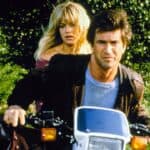
When you look at Mel Gibson’s filmography, you see titans like Mad Max and Lethal Weapon. But nestled among those action-heavy classics is a movie that seems to have vanished: Bird on a Wire. This 1990 gem delivered blockbuster earnings, finishing in the top 15 domestically despite some frosty critical reception. Yet, for many, the film remains a fascinating piece of cinematic history, a perfect blend of old-school charm and jaw-dropping spectacle.
What exactly happened to this film? It’s a story that hints at the messy, wonderful process of filmmaking itself. Bird on a Wire doesn’t fit neatly into a single genre; it felt like an ’80s buddy-cop film dressed up in the style of an ’80s road movie, but with a heart that felt more like a romantic comedy. Mel Gibson and Goldie Hawn played a pairing reminiscent of Clark Gable and Claudette Colbert, weaving an action-packed narrative around a complicated lost love story.
The screenplay, penned by Louis Venosta, Eric Lerner, and David Seltzer, was brought to life by director John Badham, a filmmaker known for his diverse and impressive resume. The story itself evolved from an initial plan, involving actors like Kurt Russell and Goldie Hawn, but ultimately settled into a unique dynamic. Gibson famously negotiated the use of a producer’s home, ensuring his family could spend time with the crew, setting a tone of personal connection right from the start.
The supporting cast added layers of intrigue. Stephen Tobolowsky played the witty but corrupted FBI agent, while Bill Duke and David Carradine brought undeniable menace as the corrupt DEA agents. This ensemble provided a cool backdrop for the central drama, balancing comedy with serious action.
But the true marvel of the production wasn’t just the story; it was the sheer ambition of the set. The film’s spectacular climax involved building an enormous zoo, which was almost entirely shot in Canada. This massive installation measured 83 feet wide, 350 feet long, and nearly six stories high—making it the largest set ever built in Vancouver at the time. The crew tackled incredible logistical challenges, constructing three massive waterfalls and engineering bridges across crevices, all while bringing in real plants and various types of sand.
To stage the zoo, the production brought in a truly exotic collection of animals, including lions, tigers, python, jaguars, and even various parrots. This ambitious animal feat demanded creative direction, turning the set into a controlled chaos where the animals felt real and the action felt truly epic. It was a testament to the creative force of the team, particularly director Badham, who embraced the difficulty of working with living subjects.
Despite the spectacle, the film found a unique rhythm, managing to shift seamlessly between lighthearted romance and frantic action. The dynamic between Rick and Marianne kept the pace high with car chases, escapes, and intense emotional beats. The action was solid, punctuated by unexpected turns—including a famous shot where Rick was seemingly shot in the butt—proving that even amidst the spectacle, the heart of the story remained firmly rooted in witty dialogue and evolving relationships.
It’s understandable why some viewers have drifted away from the film over the years. Critics often found it bloated or excessive, and the runtime felt lengthy. However, when viewed as a piece of cinematic history, Bird on a Wire deserves a second look. It stands as a powerful reminder that sometimes, the most memorable movies are those that manage to combine massive scale, genuine chemistry, and a story that simply refuses to be forgotten.
Buy on Amazon
Credit