Sophie Thatcher: Feeling most seen ever
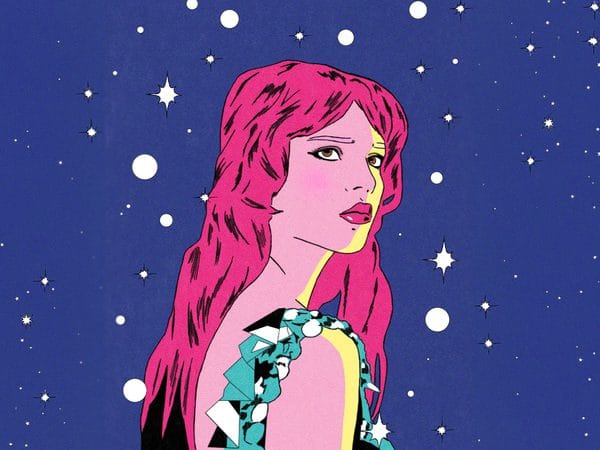
When you dive headfirst into the strange, the sublime, and the deeply unsettling, you often find that the journey itself is the most revealing part. Actress Sophie Thatcher’s recent immersion into Nicolas Winding Refn’s Her Private Hell is a perfect example of this—a cinematic experience that demands not just performance, but a complete surrender to chaos and glamour.
Balancing the demands of cult horror series like Yellowjackets with the intensity of a feature film like Her Private Hell leaves little room for rest. Yet, for Thatcher, this creative whirlwind has yielded something deeply personal. Her portrayal of Elle, a tortured movie star chasing her father through a misty metropolis, is a performance unlike anything she has tackled before, reflecting the heightened, dreamlike reality of the project.
The process of collaborating with Refn began with an undeniable tension, a meeting that felt less like a professional introduction and more like an exploration of vulnerability. While Refn presented an intimidating façade, their connection quickly deepened as they navigated shared interests. They bonded over a mutual appreciation for cinema, music, and a shared appetite for the beautifully abrasive. It was in these initial conversations—discovering the shared love for Italian composers like Pino Donaggio and cinematic chaos—that the foundation of their creative bond was laid.
As they moved through the script, the confusion eventually gave way to excitement. Reading the material felt like glimpsing the bare bones of something enormous, allowing for a sense of freedom. The narrative proved to be a complex tapestry, heavily relying on Elle’s interpretation, which made the process a fascinating exercise in collaborative discovery. A pivotal moment came when the emotional core of the film—Refn’s own intensely complex story—allowed the process to shift from mere production to profound understanding.
The dynamic with the director evolved into something deeply personal, especially as Thatcher was brought into the family unit on set. Refn’s sensitivity shone through, creating an environment where Thatcher felt seen and safe. He possessed an uncanny ability to sense the emotional landscape, offering a presence that was simultaneously grounding and exhilarating. This shift fostered a trust that allowed Thatcher to fully inhabit the character, allowing her to unleash the masks and emotions that defined Elle’s journey.
Musically, the film’s atmosphere was inextricably linked to its heart. A relentless sonic backdrop, often drawing from the chaotic beauty of synth-pop and the raw energy of artists like Suicide, fueled the film’s arc. This shared musical language became a conduit for their connection, turning the shooting schedule into a communal experience where songs served as a connecting force, charting their emotional trajectory.
A visually stunning and camp aesthetic emerged from the collaboration. Thatcher brought a distinct edge to the costume and make-up, leaning into the glamour of the seventies and the allure of rock’n’roll. This fusion of glamour and the theatrical felt perfectly aligned with the film’s unreality, embracing the kind of flamboyant expression that defined the narrative.
Ultimately, the experience of filming, day by day, blurred the lines between the reality on set and the cinematic world being created. Amidst the chaos and the stunning visuals, Thatcher found a space for catharsis. The journey taught her that true artistry lies in the character arcs—the loneliness of seeking family, the vulnerability of expression—and in surrendering to the strange, beautiful reality Refn created.
Buy on Amazon
Credit