
Andrew Lloyd Webber Gutted on Cats Closing Night Broadway Unsustainable
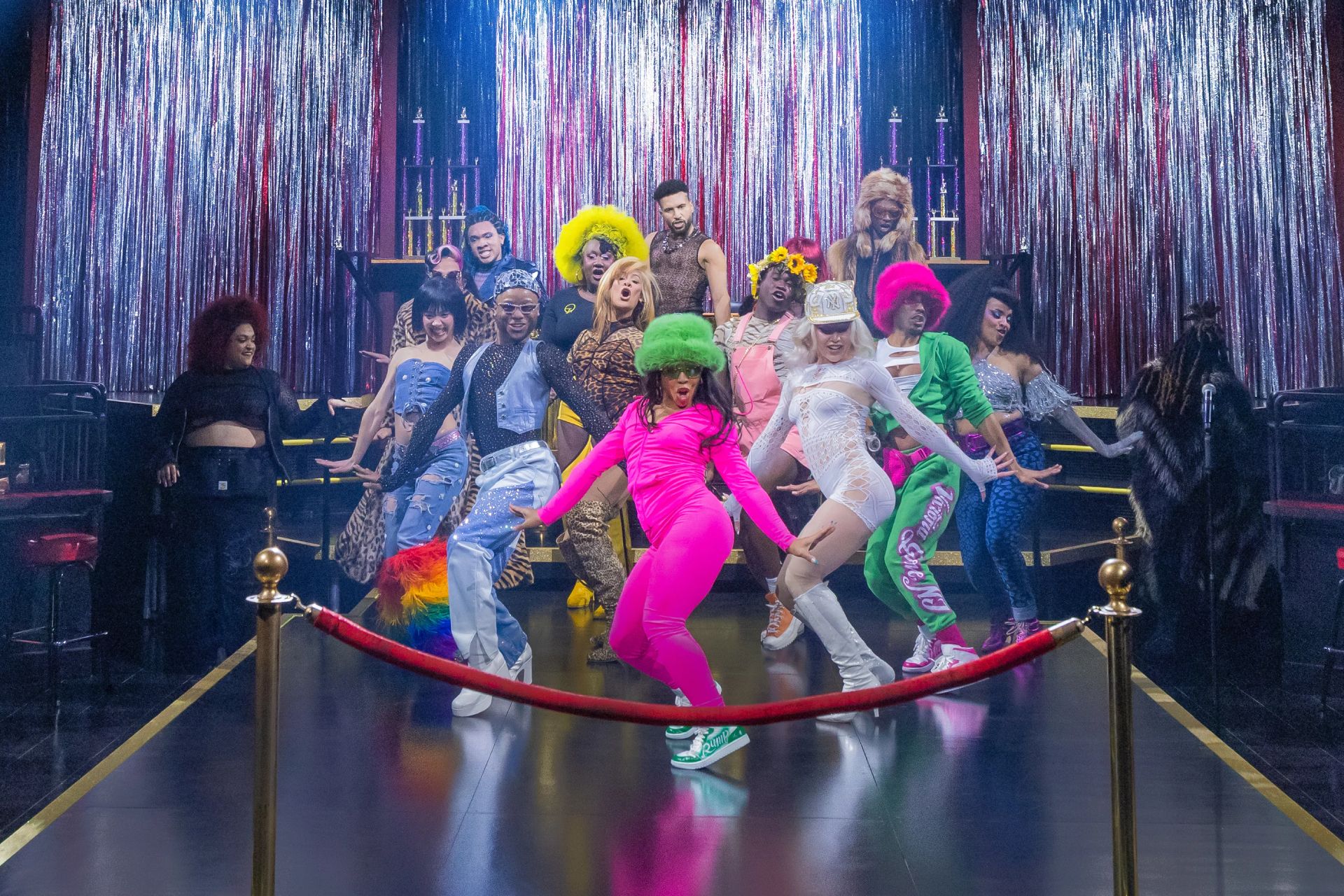
The Curtain Falls on a Classic: Andrew Lloyd Webber Reflects on Broadway’s Unstable Landscape
As the lights dim for the final performance of “Cats: The Jellicle Ball,” a powerful reflection is emerging from one of theatre’s most legendary figures. Composer and iconic theatre maker, Andrew Lloyd Webber, has opened up about the often-treacherous economics of producing high-caliber shows on Broadway, admitting that the landscape of theatrical production has become increasingly difficult to sustain.
In a poignant post shared on social media ahead of the curtain call, Webber expressed profound regret over the closure of the beloved production. He acknowledged the bittersweet reality that a show he is immensely proud of is concluding its run, recognizing the immense creative energy and daring involved in bringing such works to the stage.
“I’m gutted that the wonderful Broadway production of ‘Cats: The Jellicle Ball’ is closing today,” Webber wrote, underscoring the emotional weight of ending a celebrated chapter for audiences.
Beyond the personal feeling of loss, his comments hint at larger systemic issues within the commercial theater world. Lloyd Webber suggests that the current methods and demands of producing on Broadway are simply no longer sustainable for creating enduring artistic works. This reflection touches upon the tension between artistic ambition and financial viability in the high-stakes environment of commercial theatre.
Despite the challenges, Webber remains focused on the legacy of his work, emphasizing his pride in having been involved in what he describes as an “incredibly daring” creative endeavor. His statement serves as a poignant reminder that behind every glittering production lies the complex reality of balancing artistic vision with the often-brutal demands of the industry.
The closing of major productions like “Cats” forces an important conversation about the future of commercial theatre—how to support both the artists and the art they create, ensuring that bold visions can thrive without being perpetually undermined by financial pressures.
Buy on Amazon
Credit