
Jeremy Strong and Jared Leto Got Method Acting Wrong
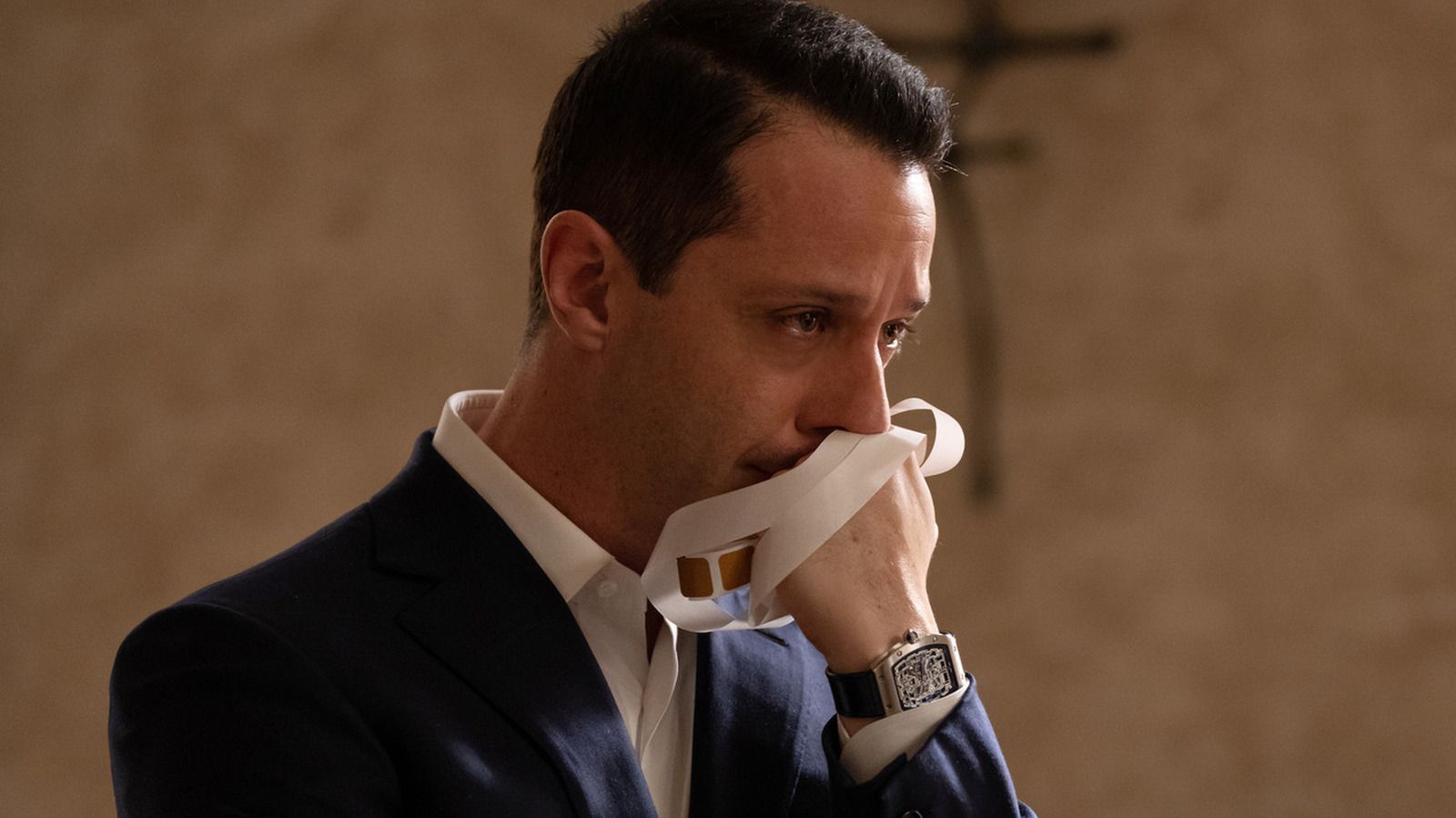
The Inner Life on Stage: Decoding the Mystery of Method Acting
For decades, the world of acting has been shaped by powerful techniques designed to unlock genuine emotional depth. Among these methods, Method acting stands out as a polarizing force—a technique heralded by many as the secret key to truly transformative performances. Yet, despite its widespread fame, it often remains shrouded in mystery and controversy. What exactly is this demanding approach, and why do so many actors remain skeptical about its validity?
The roots of Method acting can be traced back to the foundational work of Konstantin Stanislavski in the early 20th century. Rather than focusing purely on external technique or physical movement, Stanislavski sought to develop an internal system where the actor could achieve psychological realism. The goal was not just to mimic emotions, but to experience them authentically, drawing from the actor’s own personal history and imagination to generate believable emotional responses on stage.
This approach requires actors to dive deep beneath the surface of the script. Instead of simply reciting lines, Method actors strive for a process of emotional recall—allowing themselves to inhabit the character’s circumstances and internal conflicts as if they were real. This commitment demands intense self-examination and vulnerability from the performer.
However, this pursuit of emotional truth is precisely what causes the confusion and skepticism. The Method involves highly personal and often intensely psychological exercises that can be challenging to replicate or maintain consistently. Some actors find the practice too introspective, struggling to translate deeply felt personal experience into a framework for public performance.
The debate often centers on authenticity versus artifice. Critics sometimes argue that the heavy emphasis on personal emotional immersion can lead to performances that feel overly autobiographical or self-indulgent, potentially sacrificing universal theatrical appeal. Others contend that this intensity is necessary; it forces actors to confront their deepest selves, resulting in a raw and undeniable connection with the audience.
Ultimately, Method acting is less a rigid set of rules and more a philosophy—a pathway toward understanding the psychology behind human behavior. While the specific techniques may vary among practitioners, the core principle remains the same: to transform from simply playing a role into truly living it. It continues to spark vigorous debate, reminding us that the journey to masterful performance is often as complex and mysterious as the characters we strive to portray.
Buy on Amazon
Credit