Love Me Tender a quietly devastating visual journey
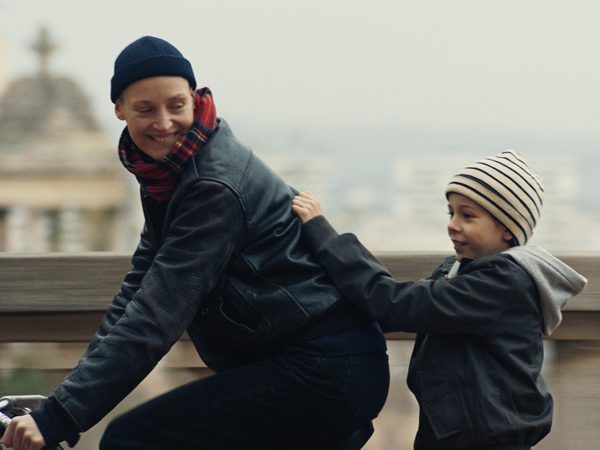
Some stories don’t demand attention; they ask for a slow, deep exhale. Anna Cazenave Cambet’s adaptation of Constance Debré’s novel, Love Me Tender, is one such film—a quiet, devastating exploration of the collision between love, identity, and motherhood.
At the heart of this unfolding drama is Vicky Krieps, who delivers a performance that manages to convey oceans of emotion through near silence. She embodies Clémence, a former lawyer navigating the complex waters of life after deciding to embrace her sexuality and facing the bitter reality of a custody battle for her young son.
Krieps doesn’t rely on melodrama. Instead, she allows the emotional weight of Clémence’s journey to surface subtly, letting every glance, every lingering silence, and every small expression speak volumes about the profound loneliness and resilience that define her existence.
Rather than succumbing to the familiar rhythms of a typical courtroom drama, Cambet masterfully shifts the focus to the intimate moments that truly define Clémence’s world. The film beautifully captures the texture of everyday life: leisurely walks, sun-drenched afternoons spent swimming, and fleeting, precious moments shared with her son.
Through this naturalistic cinematography, each frame feels deeply personal and intimate, avoiding sentimentality while capturing the raw beauty of ordinary existence. This visual approach perfectly complements the narrative, underscoring the complex emotional landscape Clémence is traversing.
While some scenes invite the viewer to pause, circling familiar emotional ground in a reflective manner, this patience ultimately mirrors the story’s central theme: healing and loss are rarely dramatic events. They are often quiet processes, demanding the same careful pacing as the lives they describe.
Buy on Amazon
Credit