
Paramount deals 30 films post WBD deal as Cinema United fights merger
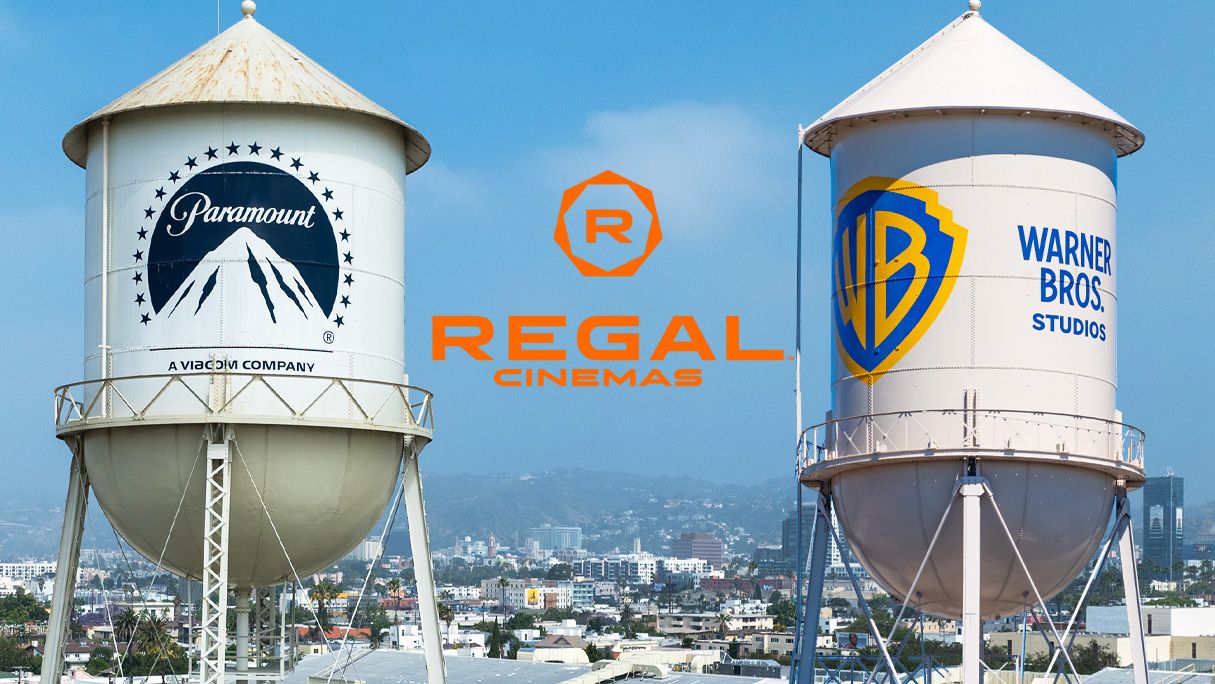
The high-stakes legal battle gripping Paramount over the potential merger involving the Melrose lot and Warner Bros is less about courtroom drama and more about a subtle, strategic dance in the world of film exhibition.
In complex antitrust cases, the real power often lies not just in legal arguments but in controlling the distribution pipeline. For Paramount, navigating this immense regulatory challenge requires a masterful application of the “divide and conquer” strategy, focusing heavily on securing favorable agreements with key exhibition chains.
Exhibition rights, the gateway through which films reach audiences, have become central to this maneuver. By solidifying relationships with major cinema circuits, Paramount can demonstrate stability and secure operational advantages that weigh heavily in the broader negotiation.
This strategy is already yielding results. Sources indicate that Paramount has successfully established written commitments with at least one of the top two exhibition circuits.
A crucial element of this success involves securing these deals with major players. For instance, the commitment extends to specific theaters and annual output, demonstrating concrete steps toward managing the logistics of distribution.
One notable example involves agreements with major chains like Regal. These commitments include guaranteed access for a significant number of films, such as ensuring access to at least thirty films annually within their system. This detail underscores how film distribution contracts translate complex legal strategy into tangible commercial realities.
Ultimately, the fight over the Melrose lot and Warner Bros involves more than just assets; it is a contest over control. Paramount‘s ability to leverage exhibition commitments demonstrates a sophisticated approach to managing this high-stakes scenario, turning contractual obligations into powerful strategic tools.
Buy on Amazon
Credit