
AI Dog Promo Sparks Controversy on Oak Street
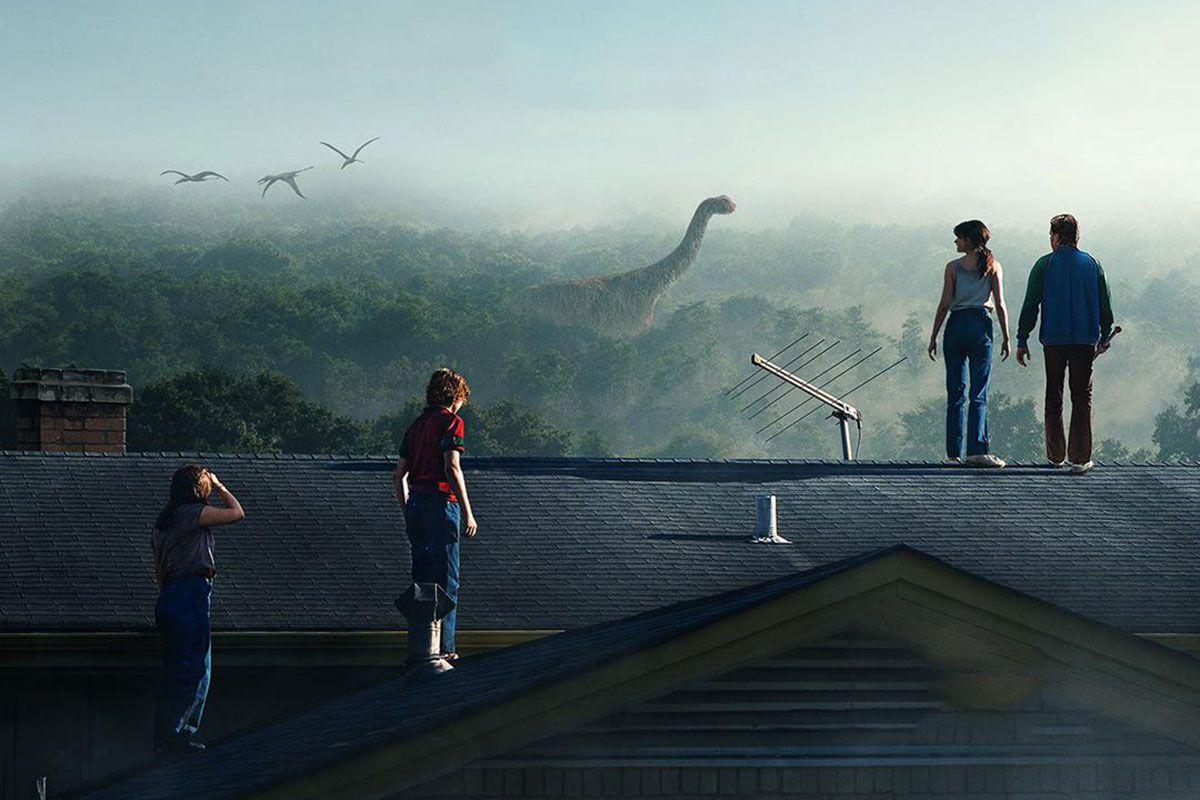
Hollywood’s latest marketing experiment seems to have taken an unexpected detour into the realm of digital chaos. In a move intended to generate buzz for the upcoming film The End of Oak Street, Warner Bros. opted for something entirely unconventional: an AI-generated clip featuring talking dogs.
Instead of traditional trailers and promotional stills, the studio released a 90-second Instagram video showcasing a golden retriever named Goldie and a French bulldog named Frenchie interviewing Starbuck, the dog central to the film starring Anne Hathaway and Ewan McGregor. The vision was clearly meant to be charming and attention-grabbing.
The peculiar clip was not created in isolation; it was the result of a collaboration with ‘pawdcast’ DogPack, an account based in Montreal known for creating comedy short scripts and utilizing AI generation tools to animate talking dogs. These comedic clips have already proven highly successful across social media platforms.
However, this attempt at viral promotion landed with a significant splash of confusion rather than excitement. The use of ‘AI slop’ involving anthropomorphic dogs to market a suburban neighborhood film dealing with dinosaurs elicited a large backlash online.
The reaction was swift and vocal. Discussions on platforms like Reddit and X quickly turned critical, focusing not on the novelty of the concept, but on the perceived quality and appropriateness of using AI-generated content for major studio promotion. Many users expressed rejection of this approach, suggesting it failed to connect with audiences.
This public pushback was severe enough that Warner Bros. Pictures reportedly removed the clip from its official Instagram account. Despite the removal, the video continues to circulate online, including on the DogPack’s own social media channel.
The incident serves as a timely reminder that while artificial intelligence can generate compelling content, the line between creative innovation and marketing absurdity is often very fine. It highlights the ongoing conversation about how audiences perceive and react to digitally manufactured media in the entertainment industry.
Buy on Amazon
Credit